Shipping a vehicle is an act of trust. Whether you are sending a child’s car off to college in Boise, relocating your family to Coeur d’Alene, or transporting a classic truck across the state for a show, you are handing over a valuable asset to a stranger. While the vast majority of auto transport trips go smoothly, the reality of the road—especially in a rugged state like Idaho—means that accidents, weather events, and mechanical failures can happen.
When these unforeseen events occur, the safety net is insurance. However, auto transport insurance is one of the most misunderstood aspects of the shipping process. Many customers assume their personal auto policy covers everything, or they believe that “fully insured” means every possible scenario is paid for without question. The truth is far more nuanced.
Understanding the layers of liability, the specific limits of coverage, and the exclusions that exist in carrier policies is critical for any Idaho resident planning a shipment. This guide peels back the complexity of shipping insurance. We will explore the specific coverage options available, explain how liability limits work in the real world, and provide actionable advice on how to secure true peace of mind for your vehicle’s journey through the Gem State.
The Reality of Risk in Idaho Shipping
To understand why insurance matters, you first have to look at the environment. Idaho is not a flat, predictable landscape like Kansas or Florida. It is a state defined by mountain passes, remote highways, and extreme weather shifts.
A carrier transporting your vehicle from Idaho Falls to Lewiston might navigate the steep grades of White Bird Hill, face high winds on the Camas Prairie, and deal with sudden snow squalls on Lookout Pass. These environmental factors increase the inherent risk of the journey. Rock chips from sanding trucks, debris from logging vehicles, or even wildlife collisions are real hazards.
In this context, insurance isn’t just paperwork; it is a financial shield against the specific geography of the Northwest. It ensures that if a deer jumps in front of the transport truck on US-95, resulting in a hard stop that damages your bumper, you aren’t left paying the repair bill.
Understanding Coverage Options: The Layers of Protection
When you ship a car, there are typically three layers of potential insurance involved. Knowing how they interact is the key to knowing if you are actually protected.
Layer 1: The Carrier’s Cargo Insurance
This is the primary source of coverage. Federal law requires all commercial auto transporters to carry liability insurance, and reputable carriers also carry specific cargo insurance. This policy covers the vehicles they are hauling.
- What it typically covers: Damage caused by carrier negligence, equipment failure, and accidents. If the driver backs your car into a pole while unloading, or if the transport truck is involved in a collision that crushes your vehicle, this policy pays out.
- The crucial verification: Not all cargo policies are created equal. Some have high deductibles that the carrier must pay before coverage kicks in. If the carrier goes out of business or cannot pay the deductible, you could be left exposed. Always verify the policy is active and ask about the deductible structure.
Layer 2: The Broker’s Surety Bond
If you book through a broker (which most people do), they are required to have a surety bond (typically $75,000). While this isn’t insurance for physical damage to your car, it protects you against financial fraud. If a broker takes your money and fails to pay the carrier, the bond ensures the carrier doesn’t come after you for payment, or allows you to recoup lost deposits.
Some premium brokers also offer “contingent cargo insurance.” This is a secondary policy held by the broker that kicks in if the carrier’s insurance fails or denies a valid claim. It acts as a safety net for the safety net.
Layer 3: Your Personal Auto Policy
Many drivers assume their personal insurance is irrelevant once the car is on a truck. This is incorrect. You should contact your insurance agent before shipping.
Some comprehensive auto policies include a provision for “cargo in transit.” While your personal policy won’t be the primary payer (the carrier is liable), it can act as “gap” coverage. For example, if the carrier’s insurance denies a claim for a “force majeure” event like a hailstorm (which is often excluded from carrier liability), your personal comprehensive plan might cover the damage, subject to your deductible.
Liability Limits: Reading the Fine Print
The term “fully insured” is a marketing phrase, not a legal one. Every insurance policy has limits, and in the world of auto transport, those limits are strictly defined. Understanding them prevents rude awakenings.
The Total Policy Limit
A carrier might tell you they have “$250,000 in coverage.” That sounds like a lot until you realize that is the limit for the entire trailer, not per car.
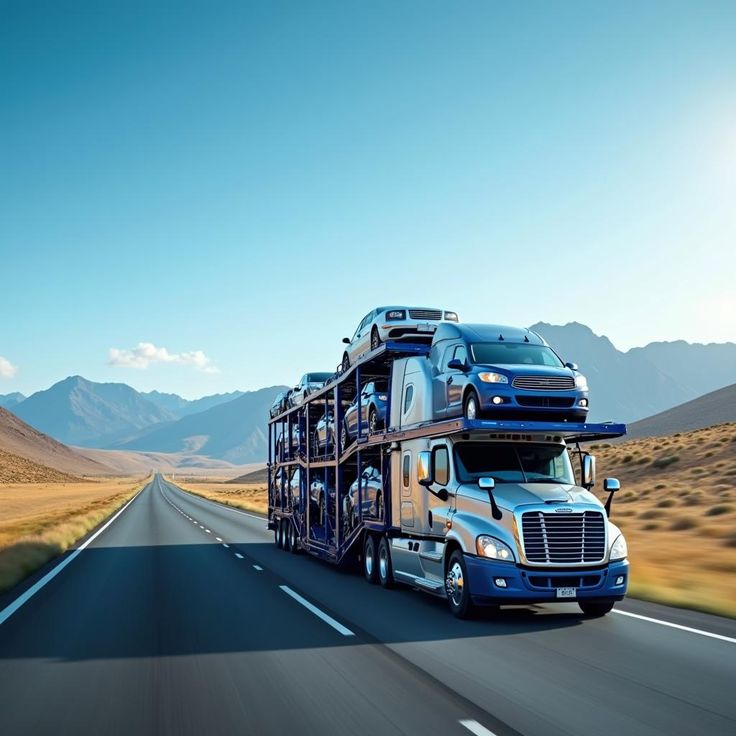
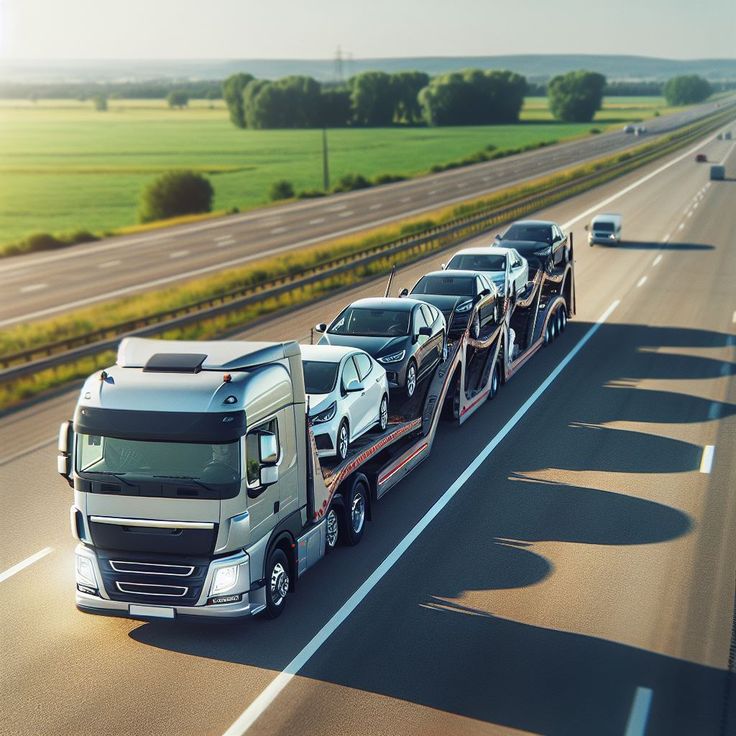
Imagine a carrier hauling 8 vehicles. If that truck rolls over and destroys all 8 cars, that $250,000 limit is split among all 8 owners. If the load consists of high-value SUVs and trucks averaging $50,000 each, the total loss is $400,000. The insurance payout will be pro-rated, meaning you might only receive 60% of your vehicle’s value.
The Fix: For high-value vehicles, always ask for the carrier’s total limit. If the math doesn’t add up, request a carrier with higher limits (e.g., $500,000 or $1 million) or purchase additional single-trip coverage.
“Agreed Value” vs. “Actual Cash Value”
How much is your car worth? You might think it’s worth what you paid for it, or the sentimental value you attach to it. Insurance adjusters think differently. Most standard carrier policies pay based on Actual Cash Value (ACV). This means they factor in depreciation.
If you are shipping a 10-year-old car that you just spent $10,000 restoring with a new engine and paint job, an ACV policy sees a 10-year-old car with high mileage. They will cut a check for the book value, ignoring your recent investment.
The Fix: If you are shipping a classic, modified, or collectible vehicle, you must insist on a policy that recognizes Agreed Value or get a professional appraisal before shipping. This locks in the value of the car regardless of age or book depreciation.
The “Acts of God” Exclusion
This is the most common surprise for Idaho shippers. Carrier liability insurance is based on negligence. This means the driver must be at fault for the coverage to apply.
If a freak hailstorm hits the truck while it’s driving through Pocatello and dents the hood of your car, the carrier is generally not liable. They cannot control the weather, therefore they were not negligent. Similarly, damage from flying road debris (a rock kicked up by a passing car) is often considered a road hazard, not driver error.
The Fix: This is where your personal comprehensive insurance or a secondary “all-risk” policy becomes vital. These policies cover damage regardless of fault, closing the gap left by the “Acts of God” exclusions.
Peace of Mind for Your Vehicle
Navigating insurance clauses can feel overwhelming, but the goal is simple: peace of mind. You want to know that if the worst happens, you will be made whole financially. Achieving this requires a proactive approach during the booking process.
The Bill of Lading is Your Shield
We cannot overstate this: The Bill of Lading (BOL) is the most important document in the insurance process. It is the official record of your car’s condition.
- At Pickup: The driver will inspect the car. You must be present. Ensure every existing scratch is noted, but more importantly, ensure that undamaged areas are not marked as damaged. If the driver marks “scratches on hood” and your hood is pristine, correct it immediately. Take photos of the signed document.
- At Delivery: You must inspect the car before the driver leaves. If you see new damage, you must write it on the BOL. If you sign the BOL without noting damage, you are signing a legal document stating the car arrived in good condition. Insurance claims filed after a clean BOL is signed are almost universally denied.
Verifying the Carrier
Don’t just take a broker’s word that a carrier is insured. Ask for proof. A reputable company will email you a copy of the carrier’s “Certificate of Insurance.”
Look at the “Cargo” section. Check the expiration date. Check the limit. If you are shipping a brand new luxury car, and the carrier only has $50,000 in cargo coverage, do not let them take your car. It is your right as a consumer to reject a carrier that is under-insured for your specific asset.
The Value of Enclosed Transport
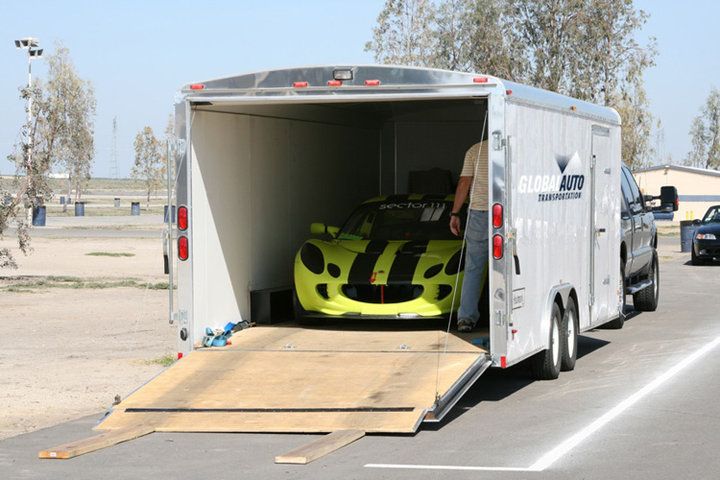
While not an insurance policy in the strict sense, enclosed transport acts as a physical insurance policy. By paying the premium for an enclosed trailer, you eliminate the risks that lead to the most common disputes: rock chips, weather damage, and road grime.
For Idaho routes, where winter road treatments (magnesium chloride) can be harsh and wind-blown dust is common, enclosed transport removes the variables that “Acts of God” clauses exclude. You are paying to remove the risk rather than paying to insure against it.
Conclusion
Shipping your car in Idaho doesn’t have to be a gamble. While the roads present challenges, a robust understanding of insurance transforms the process from a leap of faith into a calculated logistics decision.
By recognizing the difference between carrier liability and total coverage, verifying limits, and using the Bill of Lading as your legal shield, you take control of the safety of your asset. Insurance is the silent passenger on every transport truck. Ensure that passenger is carrying enough coverage to bring you complete peace of mind, no matter what the Idaho highways throw your way.
Frequently Asked Questions
1. Does my car insurance cover me during shipping?
It depends on your specific policy. Most liability policies do not cover the vehicle while it is being transported by a third party. However, many comprehensive policies do offer coverage for damage (like fire, theft, or hail) during transit. You must call your agent to confirm if your policy applies to “cargo in transit” and what the deductible would be.
2. What happens if I discover damage after the driver leaves?
If you sign the Bill of Lading at delivery without noting damage, filing a claim becomes extremely difficult. The insurance company will argue that the damage could have occurred after the driver left. However, if you have time-stamped photos from immediately after delivery and can prove the damage was missed (e.g., it was dark or the car was dirty), you might have a case, but it will be an uphill battle. Always inspect thoroughly upon arrival.
3. Is there a deductible I have to pay if the carrier damages my car?
No. If the carrier is liable for the damage (e.g., they crashed the truck or scratched your car during loading), their insurance pays for the repairs. You should not have to pay a deductible. However, if the carrier denies liability (e.g., hail damage) and you have to file a claim through your personal insurance, you will likely have to pay your personal deductible.
4. Can I buy extra insurance for the trip?
Yes. Some third-party companies offer “single trip” cargo insurance or “gap” coverage for auto transport. This is highly recommended if you are shipping a high-value vehicle and the carrier’s policy limits are lower than the value of your car, or if you want “all-risk” coverage that includes weather damage. Ask your transport broker if they offer this add-on service.
5. Are personal items inside the car covered by insurance?
No. Auto transport carriers are licensed to haul vehicles, not household goods. Their cargo insurance policy strictly covers the vehicle itself. If you pack a laptop, golf clubs, or clothes in the trunk and they are stolen or damaged, the carrier’s insurance will pay zero dollars for those items. Never pack valuables in a vehicle being shipped.